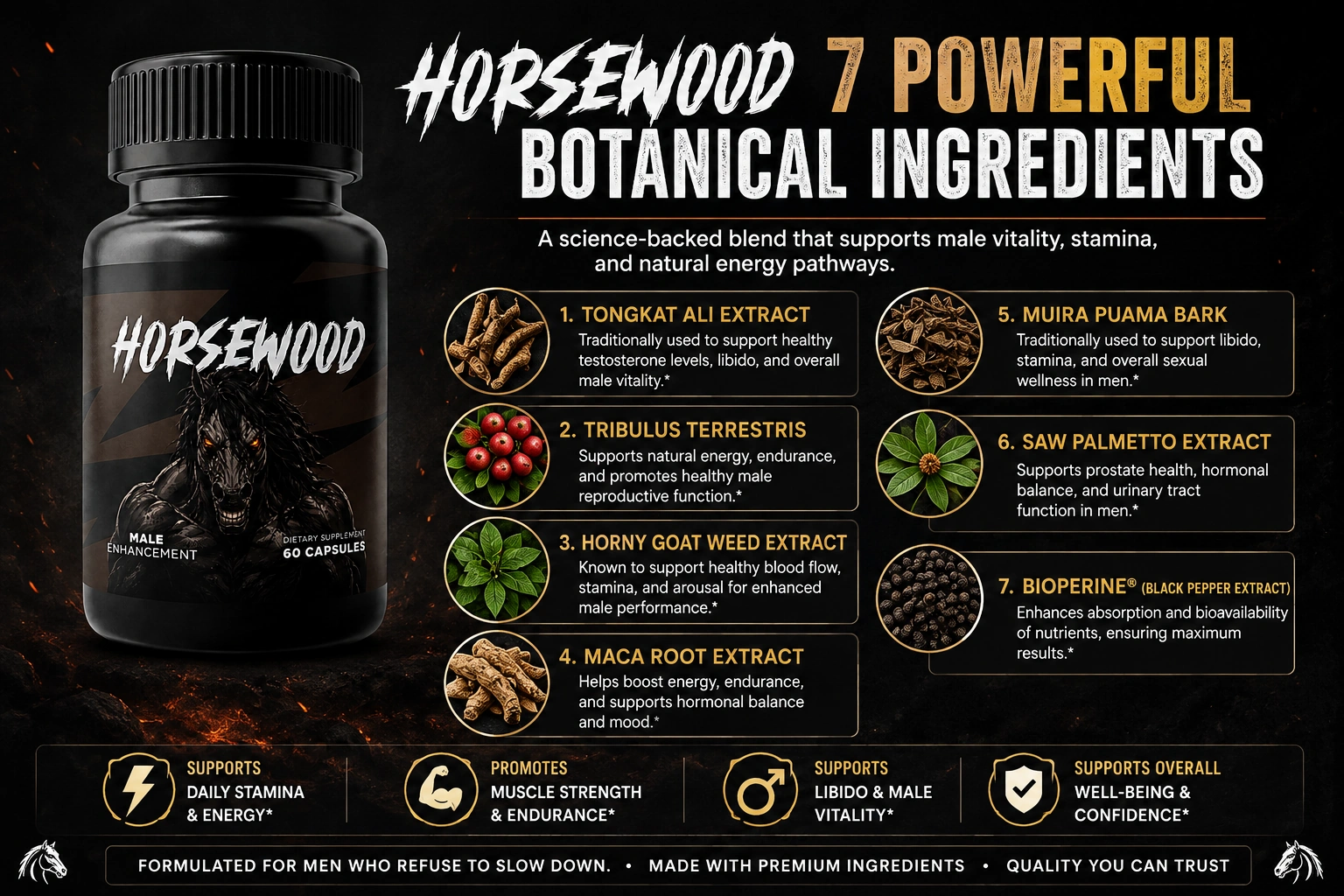
The male vitality supplement market is crowded, loosely regulated, and full of marketing that overpromises. This guide walks through the red flags worth watching for and the questions worth asking before you spend money — regardless of which brand you're considering.
Start With the Label, Not the Marketing
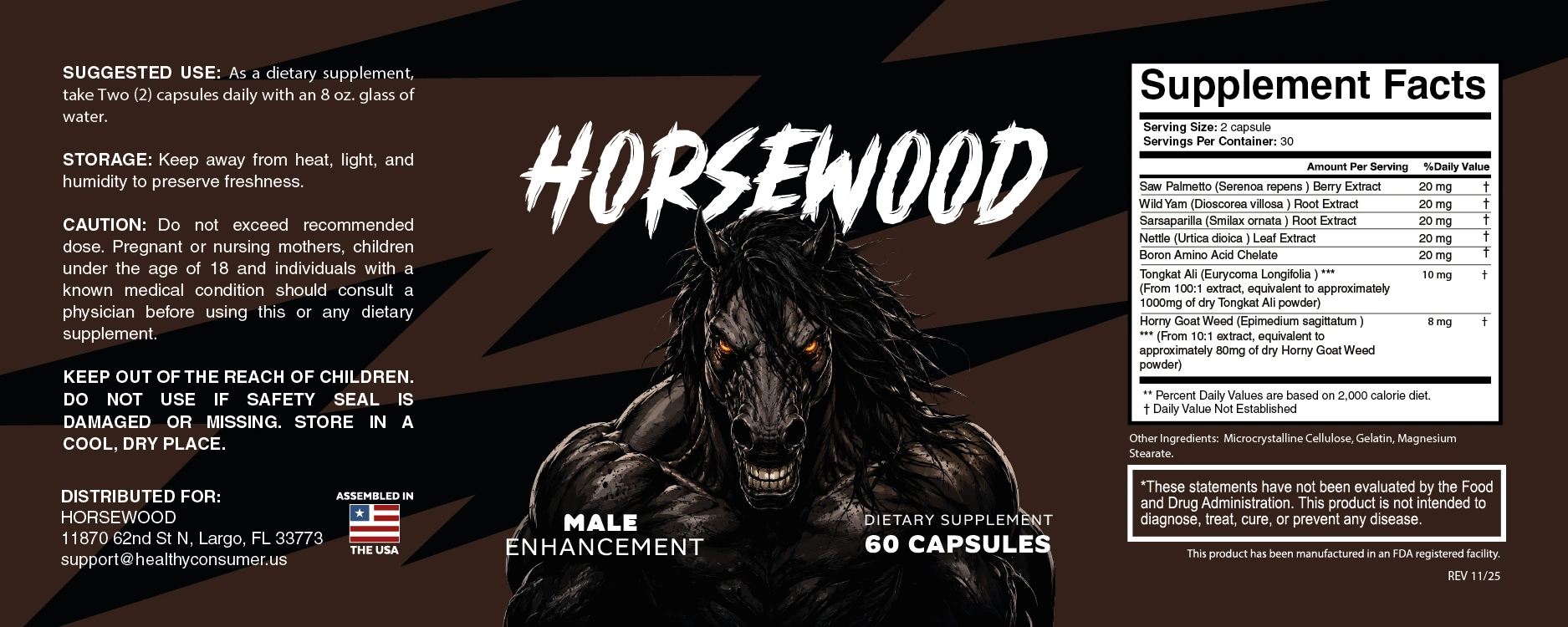
The single most useful thing you can do before buying any male vitality supplement is read the actual supplement facts panel, not the sales copy. Look for exact milligram doses on every ingredient. If a label lists a "proprietary blend" with a single combined weight instead of individual dosages, you have no way to know if any one ingredient is present in a meaningful amount — or just enough to legally list it on the front of the bottle.
The Proprietary Blend Red Flag
Proprietary blends aren't automatically a scam, but they are a transparency problem. A blend listing ten ingredients at a combined 400mg is very likely underdosing most or all of them, since several well-studied botanicals (like Tongkat Ali) are typically used at doses in the hundreds of milligrams on their own. If a company won't tell you exactly how much of the "hero" ingredient you're getting, that's worth treating as a dealbreaker, not a minor detail.
Other Red Flags to Watch For
- Disease-treatment language: Legitimate supplements use structure/function claims ("supports healthy testosterone levels") rather than claiming to treat, cure, or prevent any named medical condition. Claims that a product treats erectile dysfunction or works "like Viagra" are a serious red flag — dietary supplements are legally prohibited from making those claims.
- Guaranteed, numeric outcomes: No honest supplement can promise a specific percentage increase in testosterone or guarantee results by a specific date. Be wary of any product that does.
- No manufacturing transparency: Look for clear statements about where the product is made, whether the facility is FDA-registered and cGMP-certified, and whether it's third-party tested.
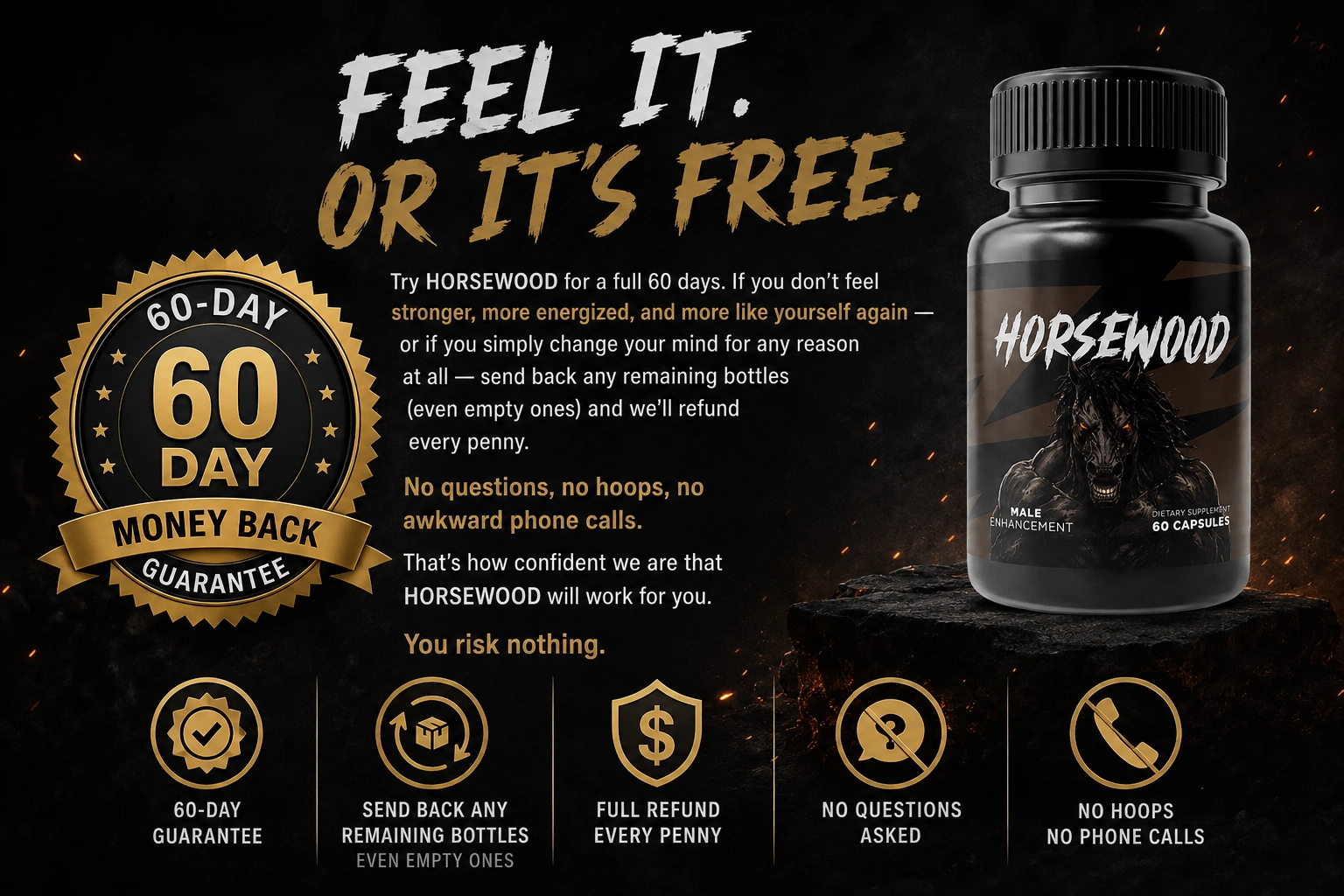
- No real refund policy: A confident company will typically offer a meaningful money-back guarantee. Vague or nonexistent refund terms suggest low confidence in the product.
- Subscription traps: Some companies quietly enroll first-time buyers in recurring auto-shipments. Read the checkout terms carefully before entering payment information.
Questions Worth Asking Your Doctor
Before starting any new supplement, especially one aimed at hormone support, it's reasonable to ask a physician: Does this interact with any medication I'm currently taking? Is there a medical reason my symptoms are occurring that a supplement wouldn't address? Given my health history, is there any reason to avoid specific ingredients like Tongkat Ali, Boron, or Saw Palmetto? These questions matter most for anyone on blood pressure medication, blood thinners, hormone therapy, or managing a serious medical condition.
How to Evaluate Marketing Claims
When a product's marketing cites research, check whether it's citing real, published studies on the actual ingredient at a comparable dose — or just linking generically to "clinical studies" without specifics. A company confident in its formula will usually be specific about what's been studied and what hasn't, and will frame results with appropriate caveats like "individual results vary" rather than absolute promises.
A Quick Buying Checklist
- Full, individual ingredient dosages listed — no hidden proprietary blend
- Structure/function language only, no disease-treatment claims
- Manufactured in an FDA-registered, cGMP-certified facility
- Third-party tested for purity
- A real, clearly stated money-back guarantee
- One-time purchase option clearly available, with no hidden subscription
- Realistic timeline language paired with "individual results vary"
Running any product through this checklist takes a few minutes and can save you from an underdosed, overpriced formula — or worse, one making claims it legally shouldn't be making at all.
Price Isn't the Same as Value
It's tempting to default to the cheapest option on the shelf, but per-bottle price alone is a misleading way to compare products, since it ignores dosing. A $15 bottle with underdosed ingredients is a worse value than a $60 bottle with meaningful, individually-listed doses, because you're paying for something too diluted to plausibly do much. A more useful comparison is cost-per-meaningful-dose: look at the price alongside the actual milligram amount of the headline ingredient, and do the math per serving rather than per bottle. Multi-bottle packages, when offered by a company with transparent dosing and a real refund policy, are often the better value precisely because a longer, uninterrupted supply matches the realistic timelines these formulas are actually studied against.
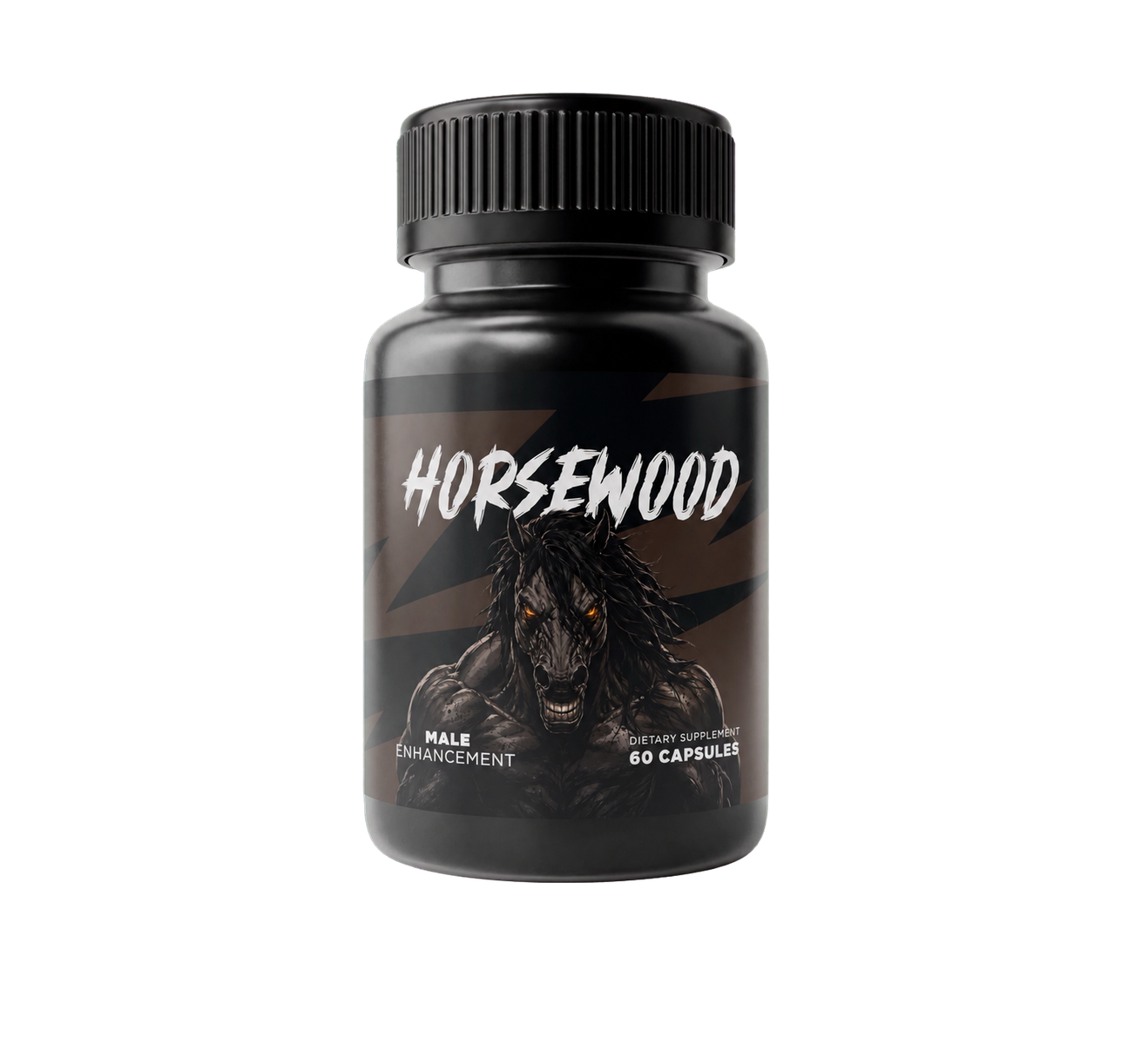
Ready to try Horsewood?
Seven botanicals, one daily capsule, made in the USA. Backed by a 60-day money-back guarantee.
Order Horsewood NowFrequently Asked Questions
What is a proprietary blend, and why is it a red flag?
A proprietary blend lists a combined weight for multiple ingredients instead of individual dosages, making it impossible to know if any one ingredient is present at a meaningful amount.
What claims should make me suspicious of a supplement?
Watch for disease-treatment language, comparisons to prescription drugs, guaranteed numeric outcomes, or promises of overnight results — none of these are legitimate for a dietary supplement.
Should I ask my doctor before trying a male vitality supplement?
Yes, especially if you take blood pressure medication, blood thinners, hormone therapy, or manage a serious medical condition.
What should a trustworthy supplement label include?
Full individual ingredient dosages, manufacturing facility details, third-party testing claims, and a clear, real money-back guarantee.