Testosterone decline is one of the most talked-about — and most misunderstood — parts of male aging. This article looks at what's actually normal, what the research shows, and what natural, lifestyle-based strategies are generally associated with healthier hormone levels. This is educational content, not a treatment recommendation for any diagnosed condition.
What's Considered Normal Decline?
Research generally shows that average total testosterone in adult men gradually declines starting around the mid-30s to 40s, continuing at a modest, roughly linear rate through later decades. This is a normal part of aging for most men, not a disease in itself, though the rate and impact vary significantly from person to person based on genetics, body composition, and lifestyle.
Why Testosterone Declines With Age
Several overlapping factors are commonly cited in the research: reduced testicular function with age, increases in SHBG (sex hormone-binding globulin) that reduce free, usable testosterone, changes in body composition (particularly increased fat tissue, which is associated with more conversion of testosterone to estrogen), and general changes in the hypothalamic-pituitary-gonadal axis that regulates hormone production. Environmental and lifestyle factors — chronic stress, poor sleep, sedentary habits, and diet — are also frequently discussed as contributors, separate from the purely biological aging process.
Common Symptoms Men Notice
Age-related testosterone decline is commonly associated with lower energy, reduced drive and motivation, changes in body composition (more fat, less muscle), slower recovery from physical activity, and shifts in mood or mental sharpness. It's worth noting these symptoms overlap with many other conditions — sleep disorders, thyroid issues, depression, and cardiovascular problems can all present similarly — which is why self-diagnosing based on symptoms alone isn't reliable.
When to See a Doctor
If symptoms are significant, persistent, or affecting quality of life, a blood test measuring total and free testosterone is the only reliable way to know where you actually stand. A doctor can also rule out other causes and discuss whether clinical intervention, such as testosterone replacement therapy, is appropriate — that's a decision that should always involve a physician, not a self-directed supplement regimen.
Natural Strategies Associated With Healthy Testosterone Levels
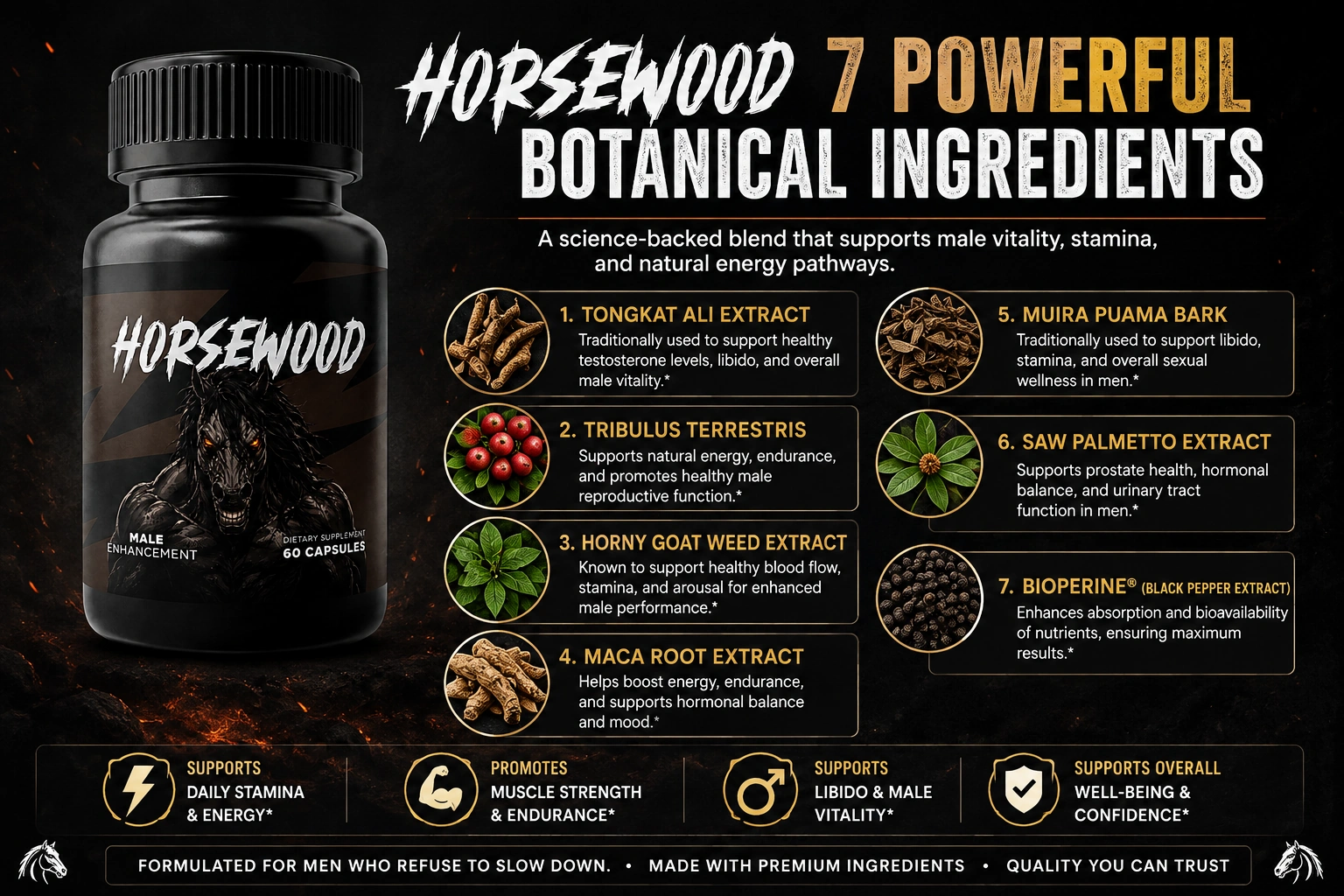
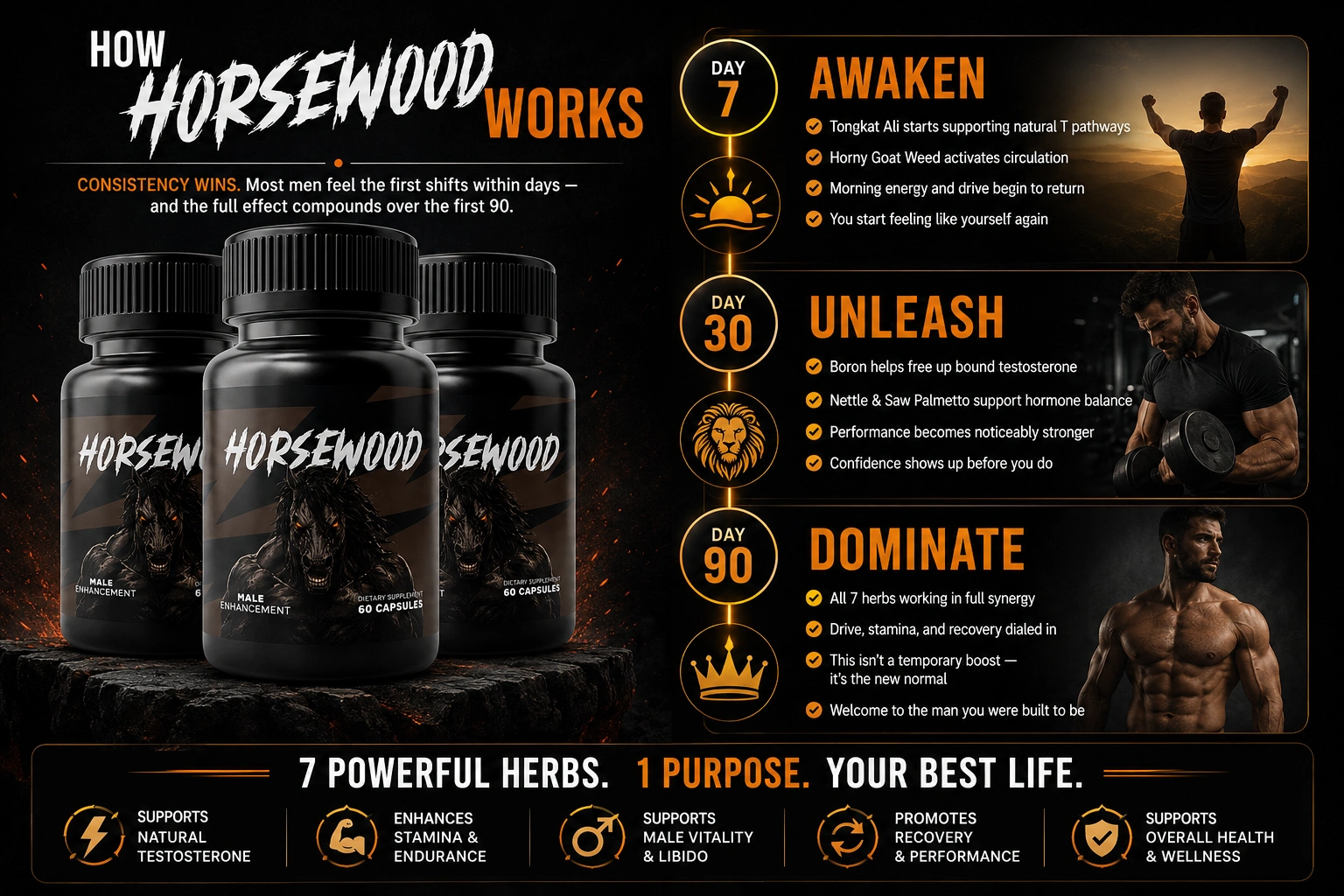
Research consistently points to a handful of lifestyle factors associated with healthier hormone levels as men age: resistance training and regular physical activity, adequate sleep (7+ hours, consistently), maintaining a healthy body composition, managing chronic stress, and a nutrient-dense diet with adequate protein, healthy fats, and micronutrients like zinc and vitamin D. Some botanicals — including Tongkat Ali, Boron, and others — have also been studied for their relationship to healthy testosterone support, and are commonly used by men looking for a natural, non-prescription approach as part of a broader healthy lifestyle, alongside — not instead of — the fundamentals above.
A Practical Starting Checklist
For men wanting somewhere concrete to start, a few habits consistently show up across the research as worth prioritizing: strength training two to three times a week, since resistance exercise in particular is associated with healthier hormone profiles compared to cardio alone; protecting sleep as a non-negotiable, since even a few nights of short sleep can measurably affect next-day hormone levels in research settings; reducing chronic alcohol intake, which is independently associated with lower testosterone; and maintaining a healthy waist circumference, since excess abdominal fat is one of the more consistently cited factors in accelerated decline. None of these require a supplement, a doctor's visit, or a specific product — they're free, evidence-backed starting points that apply regardless of what else you choose to add.
A Realistic Outlook
Age-related testosterone decline is a gradual, normal process for most men, not an emergency. The most reliable, well-supported strategies are the unglamorous ones: consistent exercise, sleep, stress management, and diet. Natural botanical support can be a reasonable complement to those fundamentals for many men, but it works alongside them, not as a replacement, and no supplement can substitute for a proper medical evaluation if symptoms are significant.
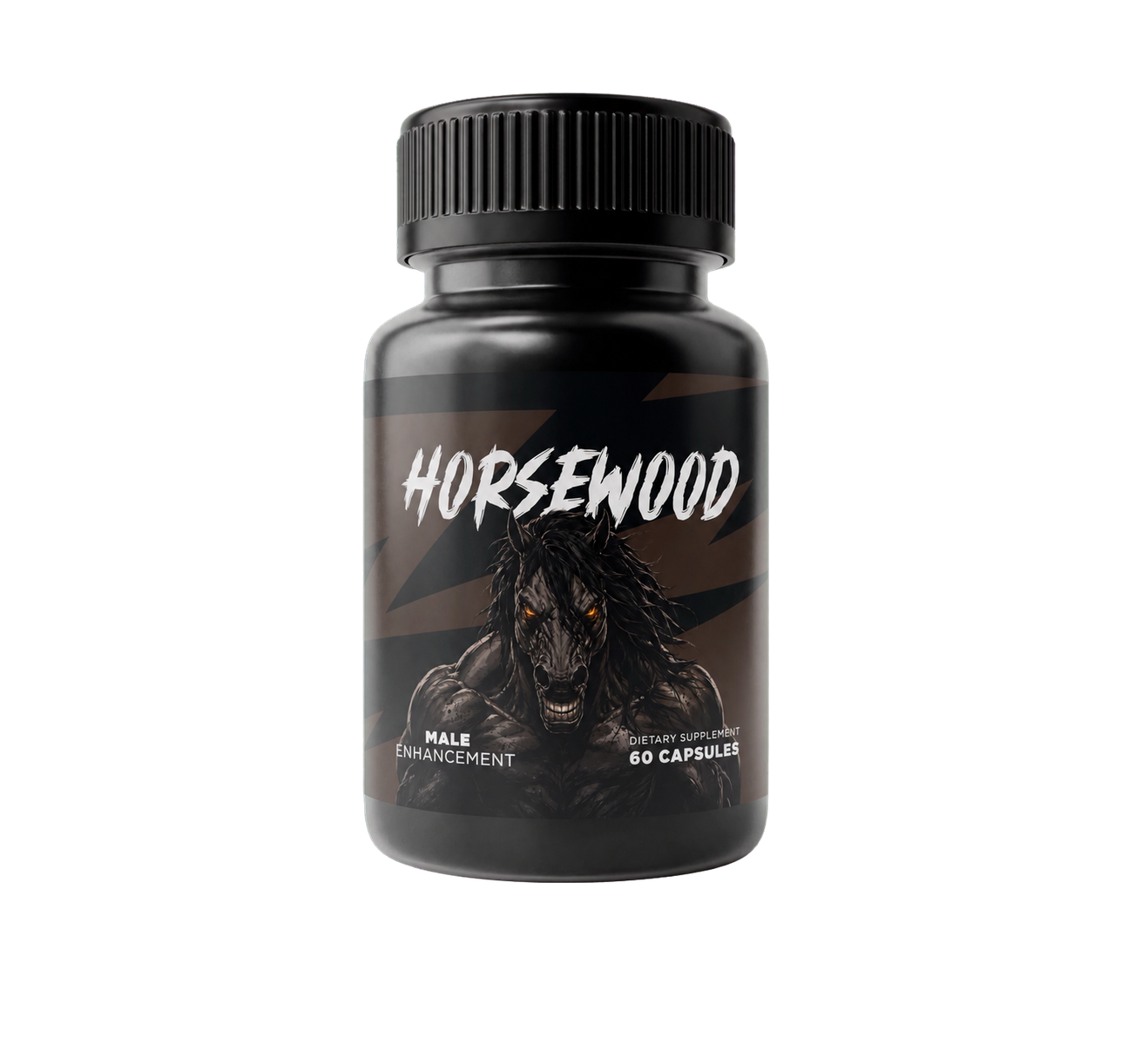
Ready to try Horsewood?
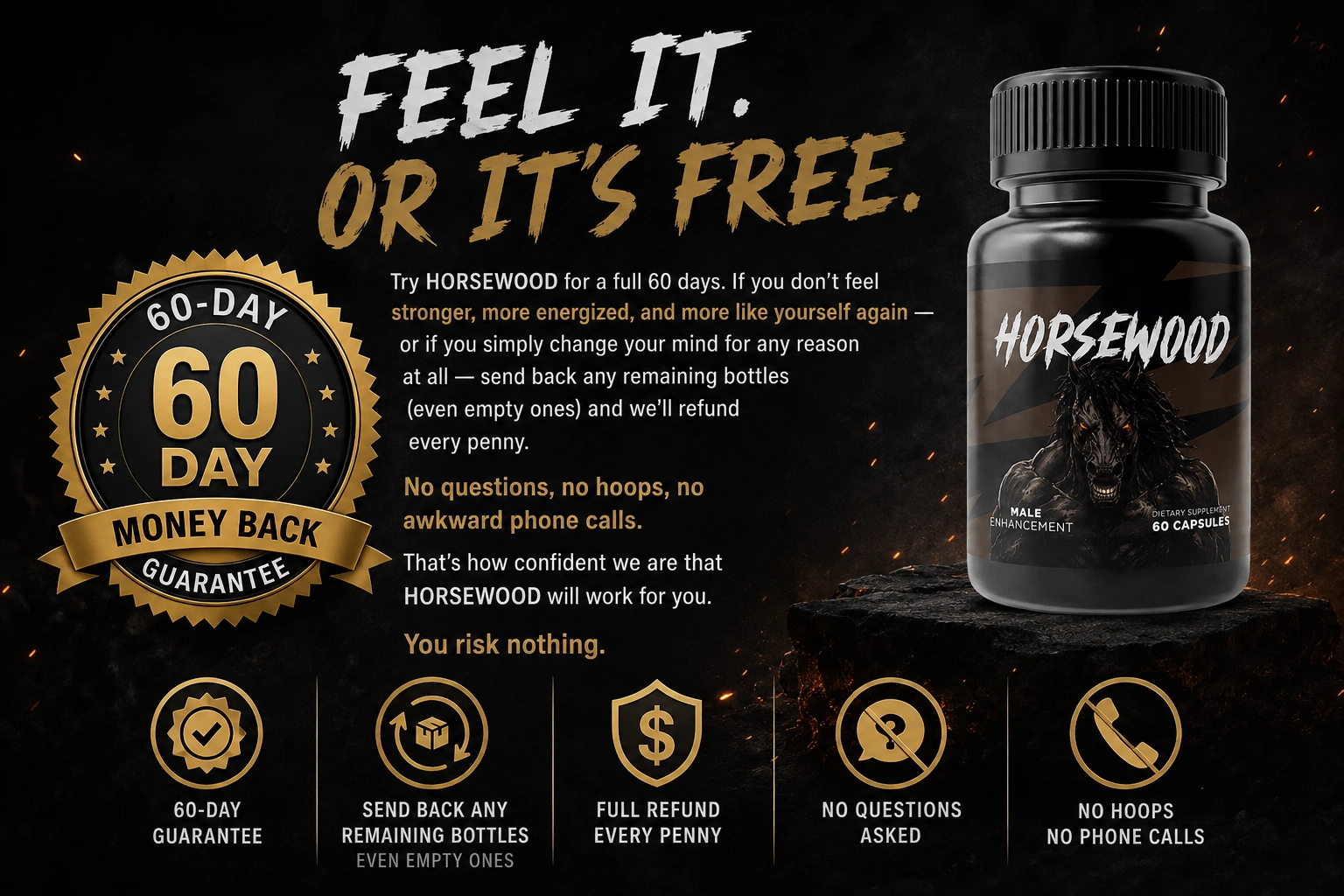
Seven botanicals, one daily capsule, made in the USA. Backed by a 60-day money-back guarantee.
Order Horsewood NowFrequently Asked Questions
At what age does testosterone start declining?
Research generally shows a gradual decline beginning in the mid-30s to 40s, continuing at a modest rate through later decades. This varies significantly between individuals.
Is low testosterone the same as normal aging?
Not necessarily. Some decline is a normal part of aging, but clinically low testosterone (hypogonadism) is a distinct medical condition that should be diagnosed with blood testing, not assumed from symptoms alone.
Can lifestyle changes really affect testosterone?
Yes — exercise, sleep, stress management, and diet are consistently associated with healthier hormone levels in research, and are considered foundational strategies.
Should I get my testosterone tested?
If you're experiencing persistent symptoms like low energy, reduced drive, or mood changes, a blood test is the only reliable way to know your levels. Talk to a doctor.